


After a major hail or wind storm rolls through the Twin Cities, your roof might look fine from the driveway. That’s the problem. Some of the most costly storm damage isn’t visible from the ground, and the longer it goes undetected, the more expensive it gets.
Knowing what to look for and where can save you a significant repair bill down the road. Here’s a practical walkthrough of what storm damage actually looks like and when to call a professional.
Start from the Ground: What You Can See Without a Ladder
Before climbing anything, walk your property after a storm and look for visible damage.
Key signs to look for:
- Missing or lifted shingles
Shingles on the ground or curling edges can indicate wind damage and broken seals - Granules in gutters
A buildup near downspouts often means shingles were impacted by hail - Dented gutters or downspouts
Visible dents signal hail size and force - Damaged siding or window screens
If these are hit, your roof likely took impact too - Bent or dented metal flashing
Check vents, AC units, and exposed metal surfaces for impact marks
Up Close: What a Roof Inspection Finds
What looks fine from the ground often tells a different story up close.
Common signs of hail damage:
- Soft, circular bruising on shingles
- Granule loss exposing the underlying material
- Accelerated aging in impacted areas
Common signs of wind damage:
- Creased or cracked shingles
- Lifted shingles that no longer seal properly
- Weak points where water can enter over time
This is where a professional inspection matters.
Timberline Roofing & Contracting has been assessing storm damage in the Twin Cities since 1998, with same-day inspections available after major weather events.
Inside Your Home: Secondary Damage Signs
Storm damage doesn’t always announce itself through the roof. Sometimes the first sign shows up inside.
- Water stains on ceilings or upper walls, especially after a rain following a storm
- Attic insulation that appears wet or compressed in spots
- Daylight visible through the roof deck in the attic
- Sagging sections of ceiling drywall
If you notice any of these, the roof has likely already been compromised. Document everything with photos before any cleanup or temporary repairs.
The Storm Chaser Problem
After major hail events in the Twin Cities, out-of-town contractors flood the area, offering quick inspections and fast sign-ups. Some do legitimate work. Many don’t, and they won’t be around if something goes wrong six months later.
Timberline Roofing is locally owned, has operated in this market since 1998, and stands behind every job with warranties and on-site project management.
GAF Master Elite certification places them among the top 3% of roofing contractors in the country, which means stricter standards and better warranty options than the average contractor can offer.
Managing the Insurance Claim
Filing a storm damage claim in Minnesota is more involved than most homeowners expect. Insurance adjusters are looking for specific documentation, and the way damage is presented in that initial assessment can affect the outcome of your claim.
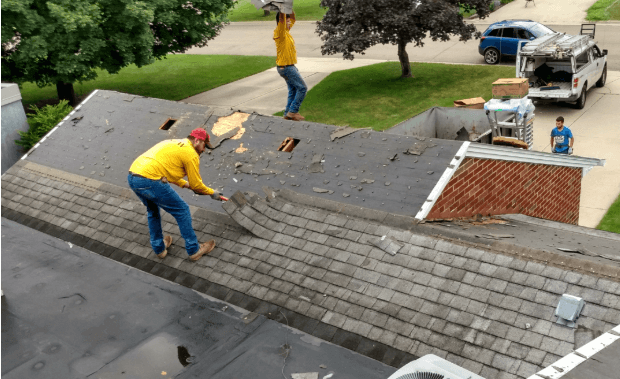
Timberline Roofing works directly with insurance providers on behalf of their customers. They’ll send an inspector to assess the damage, provide a clear evaluation of what needs repair versus replacement, and walk you through the claim process from the initial filing to the final settlement.
Roof replacement is only recommended when the damage genuinely warrants it, including situations where the roof’s lifespan is severely compromised, repair materials are no longer available, or the structure shows signs of water intrusion.
Talk to the Local Roofing Experts
If a recent storm came through your area, don’t wait to find out what it did to your roof. Call the Timberline Roofing team for a same-day inspection and get a straight answer from people who know what they’re looking at.
FAQs
How do I know if hail damaged my roof?
Common signs include granule loss in gutters, soft circular bruising on shingles, dented gutters or flashing, and damaged siding or window screens. A professional inspection will confirm what’s visible from the ground and what isn’t.
Can wind damage a roof without removing shingles?
Yes. Wind can break the adhesive bond between shingles without displacing them. Those shingles may look intact, but are no longer properly sealed, leaving the roof vulnerable to water intrusion.
How soon after a storm should I get an inspection?
As soon as possible. Minnesota weather moves fast, and a compromised roof exposed to additional rain or wind before repairs are made can turn a manageable claim into a much larger one.
Will my homeowner’s insurance cover hail damage in Minnesota?
Most standard homeowner’s policies cover sudden storm damage, including hail and wind. Coverage specifics depend on your policy, deductible, and the age of your roof. Timberline can help you work through the claim process.
What’s the difference between repairing and replacing a storm-damaged roof?
Repair addresses isolated damage when the overall roof structure and lifespan are still sound. Replacement is recommended when the damage is widespread, the roof is near the end of its useful life, or repair materials are no longer available for the existing system.